Mali Emergency
Support Muntada Aid's programs in Mali! Your donations provide education, food, and healthcare to vulnerable children and families. Donate now!
- Gift Aid +25%
- Secure payment
Make a donation
Amount
A one-off donation to this project
Children's Food Crisis in Mali
Mali is a vast, landlocked country in the heart of the Sahel — ranked 184 out of 189 on the UN's Human Development Index. Years of conflict and instability have deepened a children's food crisis across the country.
- 5M
- children in urgent need of humanitarian assistance
- 1M
- children under five at risk of acute malnutrition
- 200,000
- at risk of dying of hunger
- 30.4%
- of children under five are stunted
Country synopsis
- 30.4%
- of children under 5 are stunted
- 4.3 million
- people required humanitarian assistance in 2020
- 19.1 million
- population
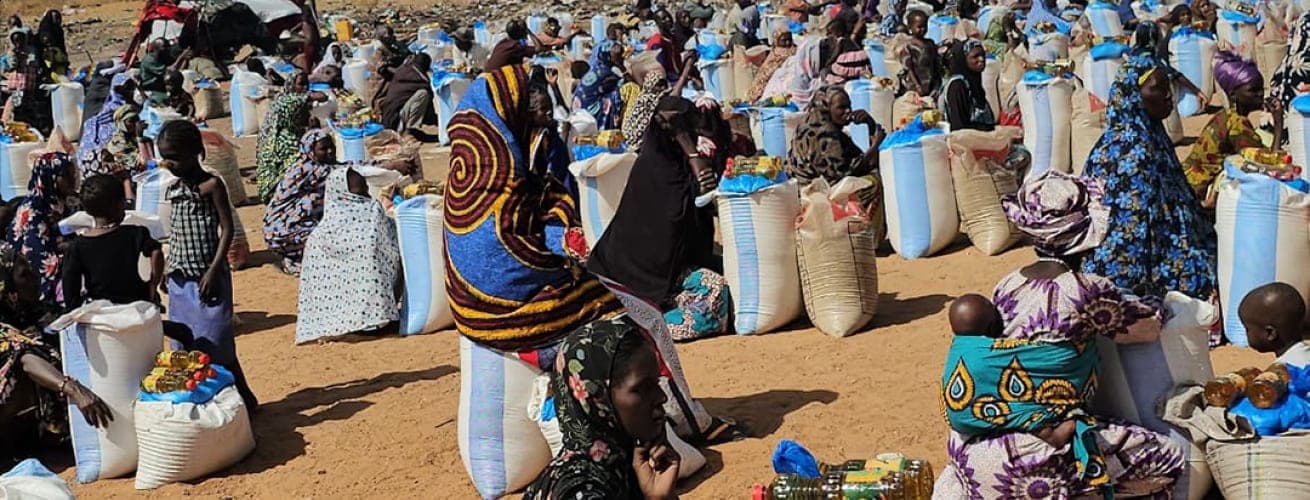
Mali is a vast, land-locked country in the heart of the Sahel region. With social indicators among the lowest in the world, the country ranks 184 out of 189 on the UNDP's 2019 Human Development Index and faces serious challenges in achieving Sustainable Development Goal 2 on Zero Hunger and improved nutrition.
Our response
What are we doing in Mali?
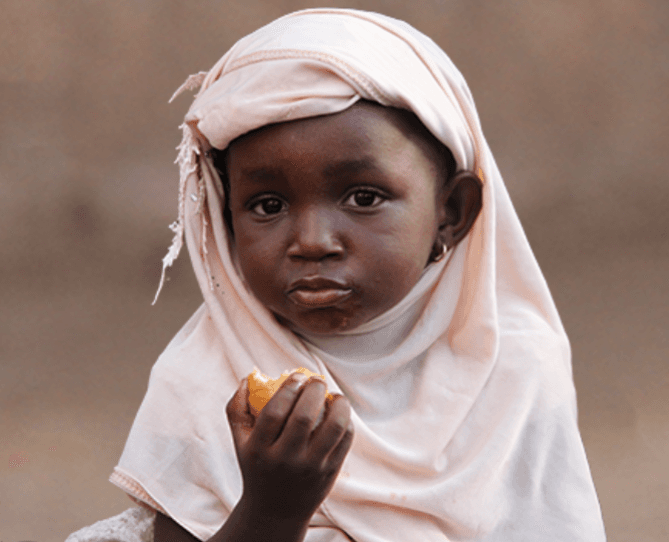
Muntada Aid works with local partners across Mali — from schools and scholarships to food packs and eye care — to give children and vulnerable families a future.
A modern, free secondary school for boys and girls in Komantou, with solar power, clean water and computers.
Scholarships for vulnerable girls studying fashion design and other trades.
Monthly food packs for 50 displaced families in camps outside Bamako.
Cataract surgery restoring sight across Mali and the wider region.
Child protection
What is Muntada Aid doing?
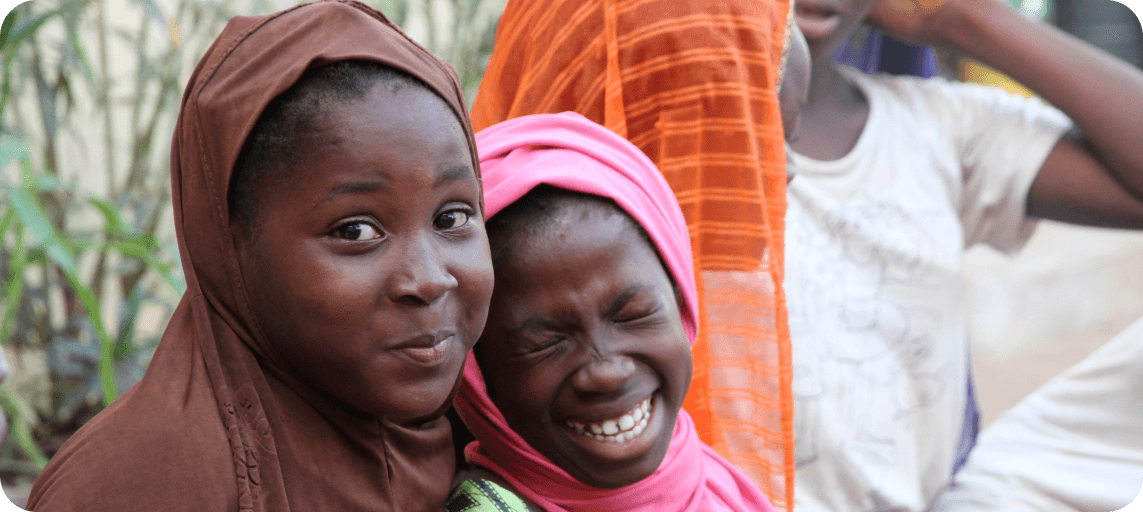
Protecting children and women from violence, abuse and exploitation requires a comprehensive child-protection system that addresses the full spectrum of risks they face.
Children and young people in Mali — and especially girls — continue to bear the brunt of the country's complex and protracted crisis: risking their lives, losing their homes, being abducted and recruited by armed groups, separated from their families, and exposed to sexual and gender-based violence.
Muntada Aid is providing multi-level support to refugees, children and young women in Mali.
Education
Current education situation in Mali
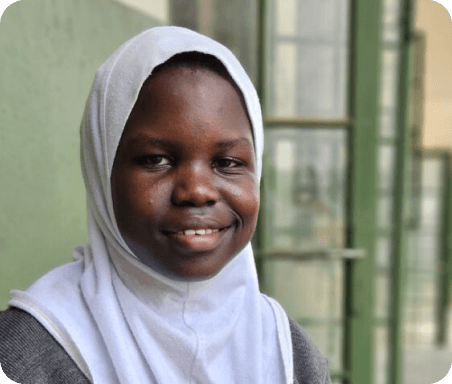
Although education in Mali has been improving over the last decade, more than two million children aged between 5 and 17 still do not go to school, and over half of Mali's young people aged 15 to 24 are not literate. Household poverty, child labour, child marriage, insecurity and a lack of schools close to children's homes are all driving the high dropout and out-of-school rate in Mali. Among children who do attend school, the absence of qualified teachers and textbooks and a low-quality school environment adversely affect learning outcomes — the vast majority of fifth-grade students in Mali are not able to master basic mathematics and reading skills.
What are we doing about it?
Secondary school
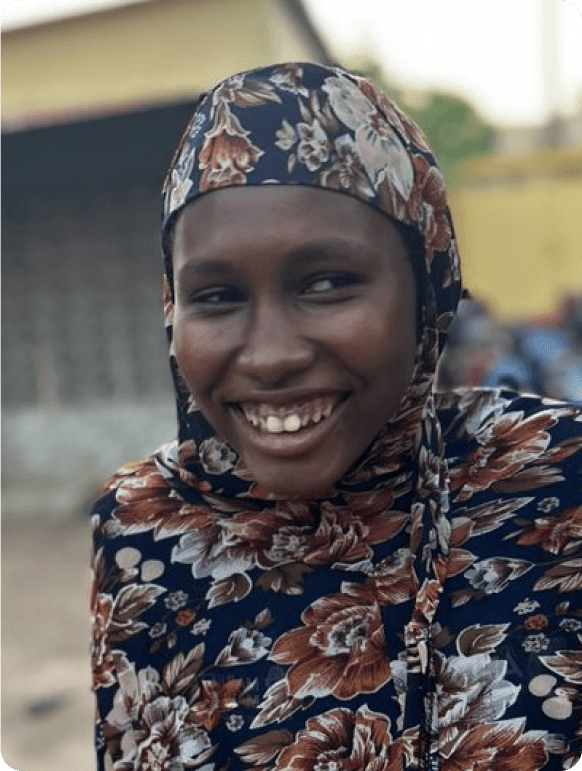
Muntada Aid, in partnership with our local partners, is providing modern secondary-school education to both boys and girls living in the area of Komantou, some 250 kilometres from Bamako, the country's political capital. In terms of physical infrastructure, we provide a modern school building, a solar-powered energy network for water and daily electrical needs, access to clean drinking water, a football field, and a separate building and computers for computer education. We also manage and provide salaries for the teaching and maintenance staff. Education at this institution is free to all children.
Vocational training scholarships
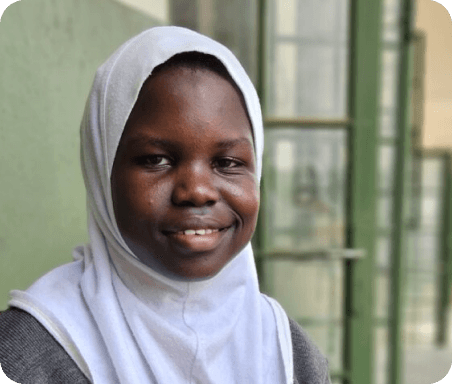
Muntada Aid is also providing scholarships to some of the most vulnerable girls in Mali studying bachelor's degrees in fashion design. Our scholarship programmes ease their financial burden while they pursue their education. The programmes are primarily aimed at helping girls from financially disadvantaged backgrounds, some of whom live at girls-only institutes run by local charities.
Food packs
Food Packs for Refugees
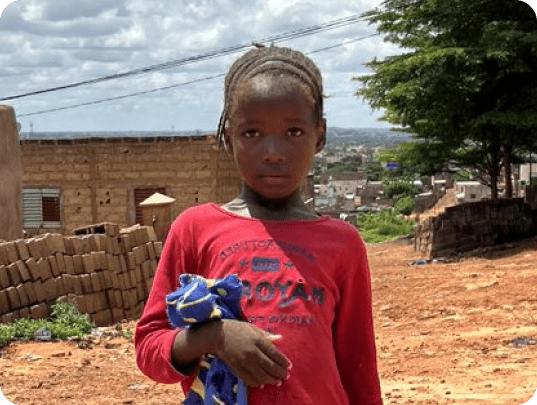
Mali has experienced armed conflict and political instability in the north of the country, causing displacement and stretching already scarce resources in host communities in the south.
In 2012, armed conflict and political instability in the north sent hundreds of thousands of Malians to the country's south, further exacerbating regional food shortages.
Over 520,000 people have fled northern Mali in search of safe haven in other countries, and another 330,000 have been internally displaced. Mali's crisis has led to the collapse of public services, especially health care and education, in the north.
Coming on the heels of a food crisis that sent malnutrition surging across the Sahel region, the war exacerbated food insecurity, prompting UNICEF to deploy an emergency response that continues today.
Food security
Feeding vulnerable children.
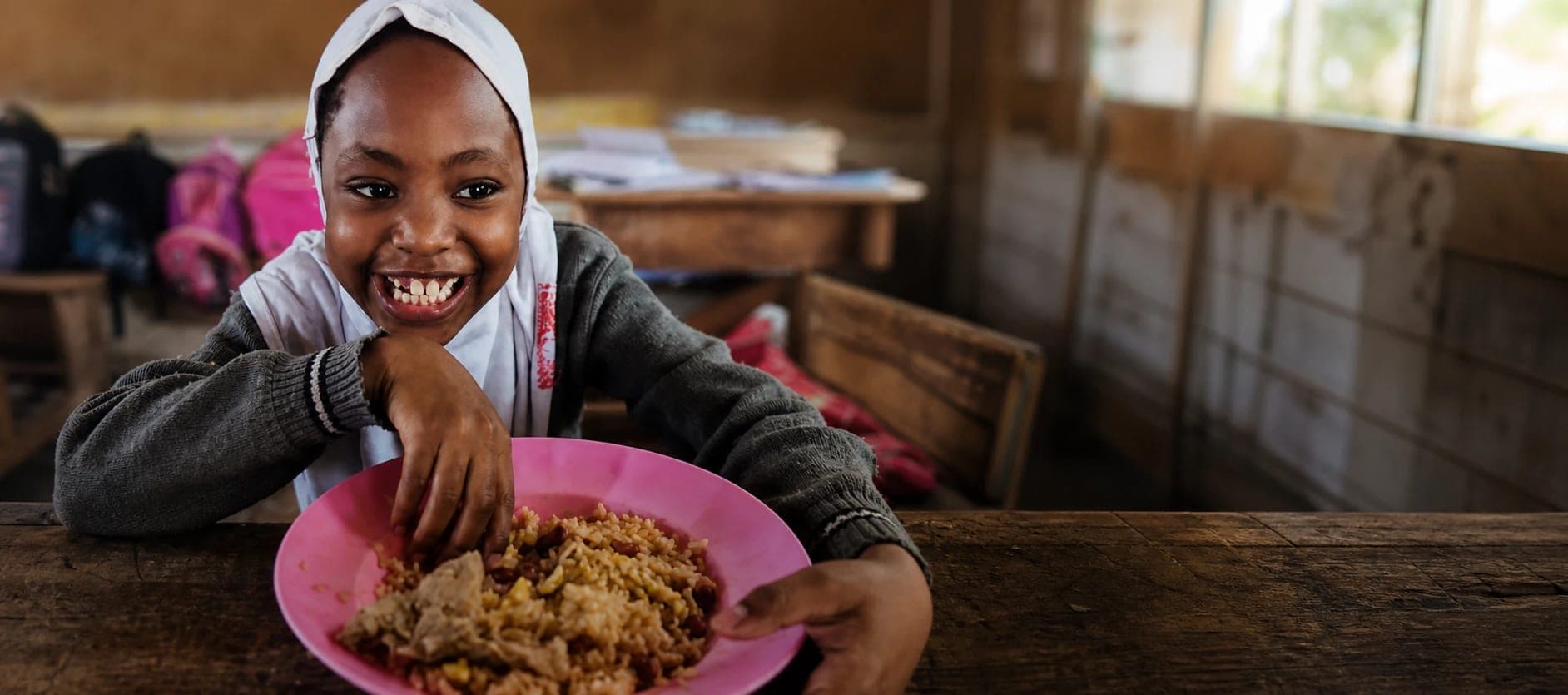
Thousands displaced by conflict in the north now live in camps outside Bamako with almost no access to food, shelter or essentials. Muntada Aid provides monthly food packs to 50 families, and freshly cooked, nutritious meals to children in a safe space while they attend education and vocational programmes.
100
children given freshly cooked, nutritious meals in Bamako
Where your money goes
What is inside our monthly food pack?
Each monthly food pack provides a family with essential provisions to meet their daily food and nutrition needs.
- Millet25 kg
- Rice25 kg
- Sugar2 kg
- Cooking oil2 L
Food programme
Providing Food to Vulnerable Children
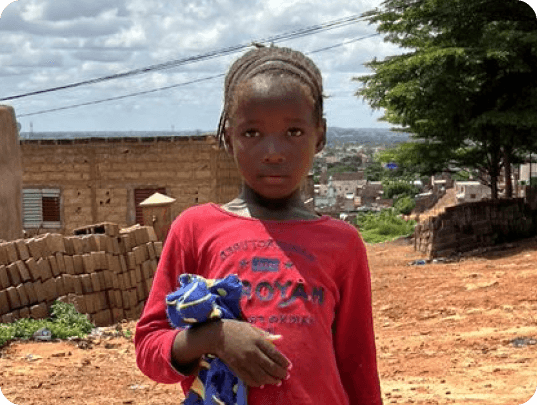
The second part of our food programme is aimed at helping vulnerable children (mostly girls) living in safe spaces managed by local charities in Bamako. We provide freshly cooked meals to almost 100 children living in one such space in Bamako. The aim of this project is to build food security by providing regular and nutritious meals to these children within a safe space whilst they attend education and vocational programs at government-run schools and institutions.
Children's
Food Crisis in Mali
According to the latest report from the United Nations International Children's Emergency Fund (UNICEF), close to five million children are in urgent need of humanitarian assistance in Mali — including health, nutrition, education and protection services, as well as access to safe water. That number shows an increase of at least 1.5 million children in need since 2020.
This developing situation — driven by protracted armed conflict, internal displacement and restricted humanitarian access — risks pushing nearly one million children under the age of five in Mali into acute malnutrition by December 2023, with at least 200,000 at risk of dying of hunger if life-saving aid fails to reach them.
Mali's ongoing political situation is complex, and a developing humanitarian crisis is unfortunately going under the radar of global aid agencies and needs the attention it deserves.
The plight of children and families in Mali is part of a wider regional emergency in the central Sahel, which also includes Burkina Faso and Niger. Humanitarian workers and supplies need to safely reach the most vulnerable children and families where they are urgently needed — any disruption or delay in aid delivery has a direct impact on the survival of children and their families.
Eye care in Mali
Cataracts Blindness in Sub-Saharan Africa
An estimated 5 million people are blinded by cataracts each year. Blindness affects more than 4% of the population in parts of sub-Saharan Africa.
In Sub-Saharan Africa, the most recent estimate of the burden of visual impairment indicates that 21.4 million people are visually impaired, including 4.8 million people who are blind. Despite cost-effective solutions, such as cataract removal and the provision of eyeglasses, an extremely high proportion, estimated at 2/3, of these cases of vision impairment could have been prevented or treated.
It is estimated that regionally, just three ophthalmologists per million population are available in Sub-Saharan Africa.
Overall, there is a catastrophic shortage of professionals qualified to deliver optometry services in the region, insufficient eye health personnel in rural areas, and extremely low cataract surgical rates. Projected rates of personnel and Cataract Surgical Rates (CSR) are not expected to keep up with increasing eye health needs. The study suggests that without significant investment and appropriate action, many people will continue to unnecessarily experience avoidable and disabling vision impairment and blindness in Sub-Saharan Africa.
2,000+
cataract surgeries planned across Niger, Mali, Uganda and Bangladesh
4,060
cataracts and lens replacement surgeries performed since 2021
Eye care
What is Muntada Aid Doing?
With your support, we are declaring a fight against cataracts.
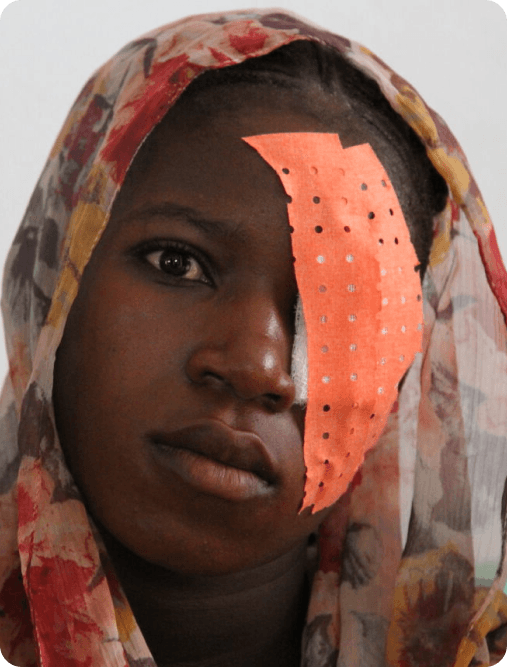
In 2023, Muntada Aid plans to carry out at least 2,000 cataract surgeries in Niger, Mali, Uganda and Bangladesh. Since 2021, Muntada Aid has performed 4,060 cataracts and lens replacement surgeries in these countries.
Ways to give
Support Mali every month
- £5/moNutritious school meals
Provide nutritious meals to school-going girls in Mali
Donate £5/mo - £10/moModern education
Provide modern education to school children in Mali
Donate £10/mo - £15/moVocational scholarship
Fund a vocational training scholarship for underprivileged girls
Donate £15/mo
Support our work in Mali
Help children and families in this war-torn country.
Your donation towards our Mali programme will help us provide critical services to children and vulnerable communities in this politically troubled and war-torn part of West Africa. The best way to support our programme is by setting up a monthly direct debit towards Mali appeal.
- Zakat eligible
- Gift Aid +25%
Galleries
Photos from the field


Latest news
Asian Express (pg 6 & 7)
Asian Express (pg 6 & 7)
India Weekly
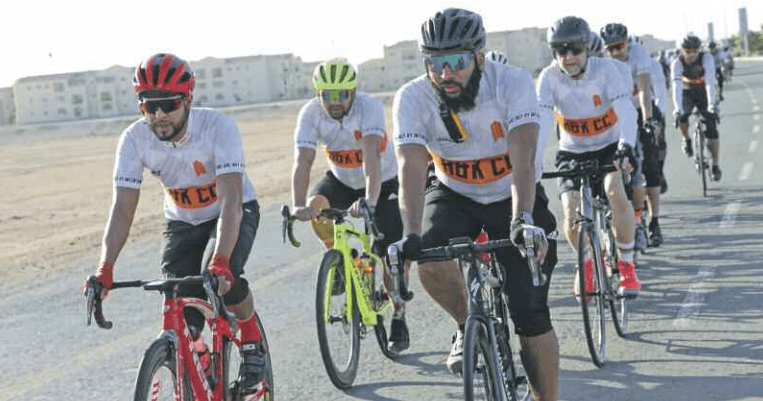
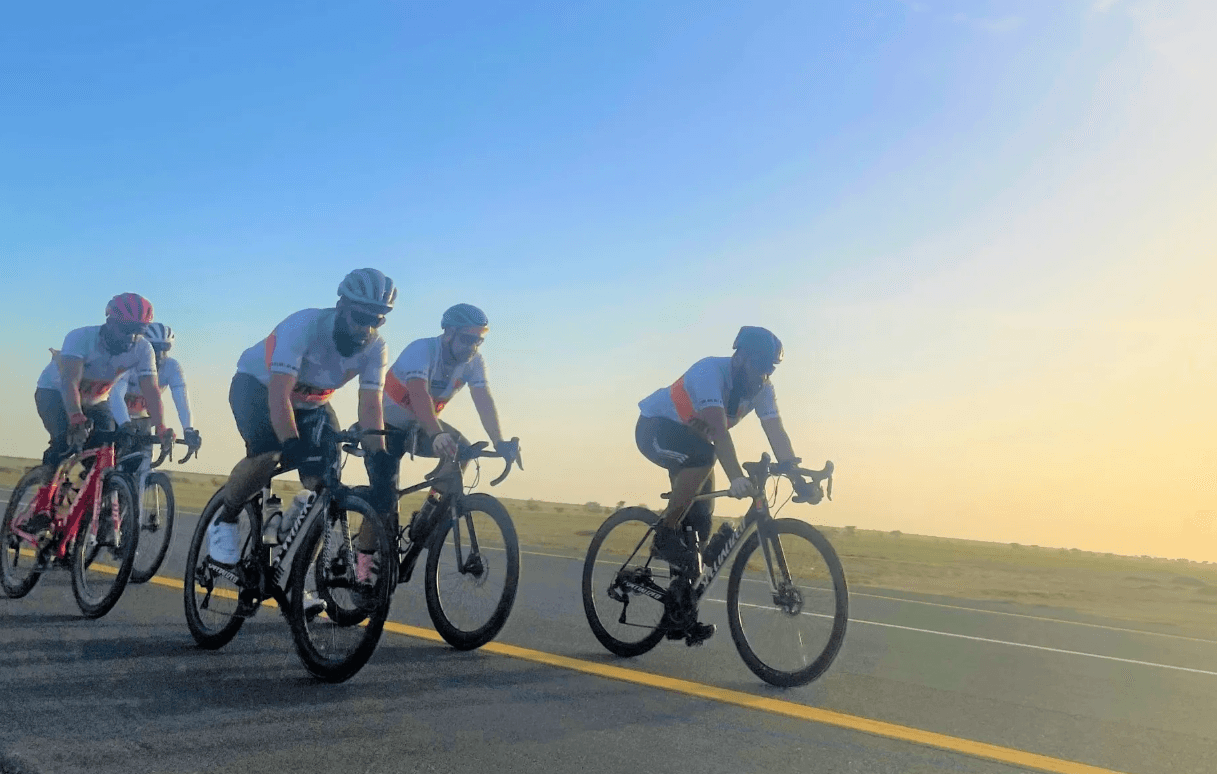
Cyclists help save the lives of 60 Tanzanian children after raising £128,000 through ride in Saudi Arabia - Indiaweekly
Asian Sunday
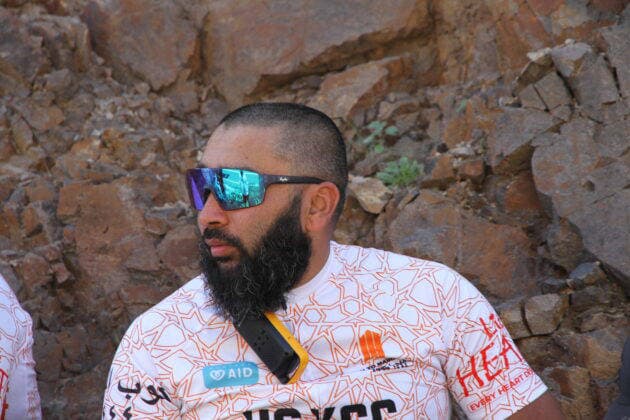
Father and founder of Muslim cycling club raises a staggering £2 Million towards causes helping women and children in Middle East & Africa
More ways to give
Other ways you can help
Prefer not to donate online? Choose the method that works best for you — every gift supports our work.